
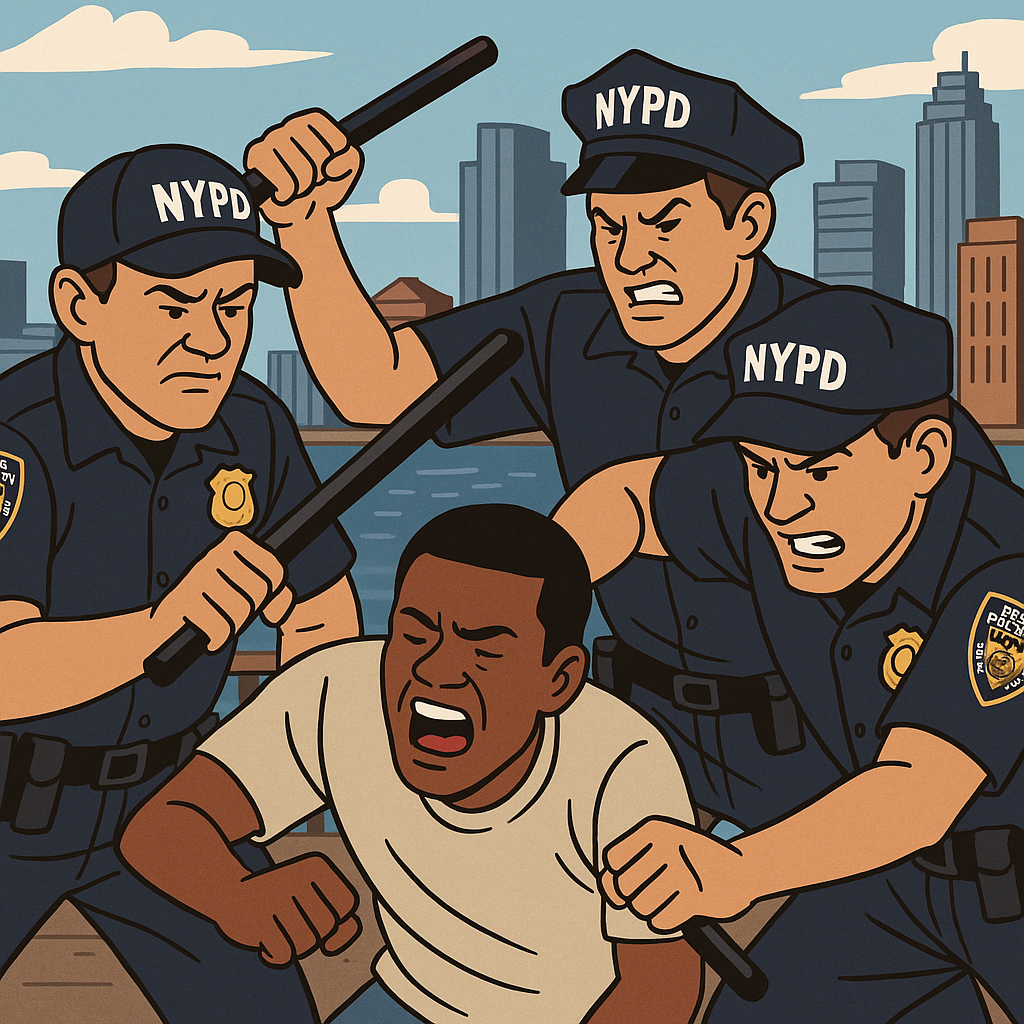
At Ilganayev Law Firm, PLLC, we represent individuals who have experienced harm as a result of police misconduct in New York City, including police brutality and excessive force by the NYPD. These types of civil rights violations can lead to serious physical and emotional harm—and often leave lasting legal and personal consequences.
While police officers are legally allowed to use force in certain situations, that use of force must be reasonable under the circumstances. When officers go beyond what the law allows—when they use unnecessary or extreme tactics against civilians—it may form the basis for a valid legal claim.
UNDERSTANDING POLICE BRUTALITY IN NEW YORK
Police brutality refers to the use of more force than is necessary or lawful by a law enforcement officer during an encounter with a civilian. These incidents can occur during traffic stops, pedestrian stops, arrests, or even inside holding cells. Common examples of police brutality include:
- Physical assaults during or after an arrest
- Use of batons, tasers, pepper spray or gun without justification
- Injuries caused while the person is already restrained or compliant
- Unlawful takedowns resulting in broken bones or head trauma
Not every injury caused by police rises to the level of misconduct. However, if the officer’s actions were objectively unreasonable based on the circumstances, they may be liable.
WHAT COUNTS AS EXCESSIVE FORCE?
Excessive force is one of the most common types of civil rights violations involving law enforcement. It occurs when an officer uses more force than is necessary to control a situation, make an arrest, or prevent harm.
The legal standard focuses on whether the officer’s use of force was reasonable—not whether the officer intended to cause harm. Courts look at factors like:
- Whether the person posed an immediate threat
- Whether they were resisting arrest or attempting to flee
- Whether they were already restrained or under control
Excessive force can result in serious injuries, and victims may be entitled to compensation if their rights were violated.
POLICE MISCONDUCT AND CIVIL LIABILITY
If a police officer uses excessive force or engages in misconduct, the victim may have the right to bring a civil lawsuit against the City of New York or other responsible parties. In order to preserve the right to sue, a Notice of Claim must be filed with the City within 90 days of the incident.
This is a mandatory step for any legal action involving NYPD misconduct under New York state law. Failure to file on time can prevent you from bringing your case forward.
DAMAGES IN A POLICE BRUTALITY LAWSUIT
Victims of police brutality or excessive force in NYC may be entitled to financial compensation for:
- Medical expenses related to injuries
- Lost wages from time missed at work
- Emotional distress or trauma
- Pain and suffering
Every case depends on the specific facts. A full evaluation of the incident—including any available videos, police reports, and medical records—is essential.
CONTACT A POLICE BRUTALITY LAWYER IN NYC
At Ilganayev Law Firm, PLLC, we help individuals hold law enforcement accountable for unlawful conduct. If you believe you were the victim of police brutality, excessive force, or another form of civil rights violation by the NYPD, contact our office immediately. We can assist with filing a Notice of Claim, preserving evidence, and evaluating whether you have a valid case.
Call My Lawyer—and let’s make sure your rights are protected.
#PoliceBrutality #ExcessiveForce #PoliceMisconduct #WrongfulArrest #FalseImprisonment #CivilRightsLawyerNYC #NYPDMisconduct #NoticeOfClaim #SueTheNYPD #PoliceBrutalityLawyerNYC #IlganayevLaw #CallMyLawyer #CivilRightsAttorney #ExcessiveForceLawyerNYC